
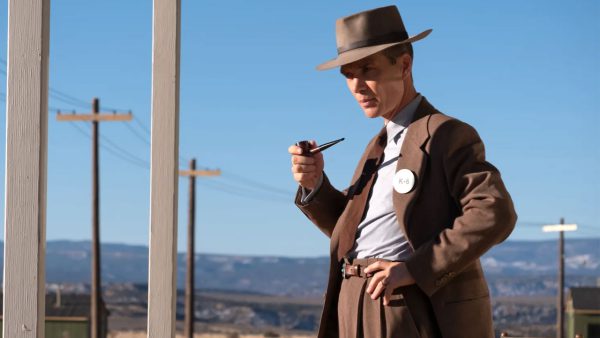
Cillian Murphy “Was Running on Crazy Energy” While Filming ‘Oppenheimer’
“Method acting is a sort of … No,” the Oppenheimer star said.
“Method acting is a sort of … No,” the Oppenheimer star said.
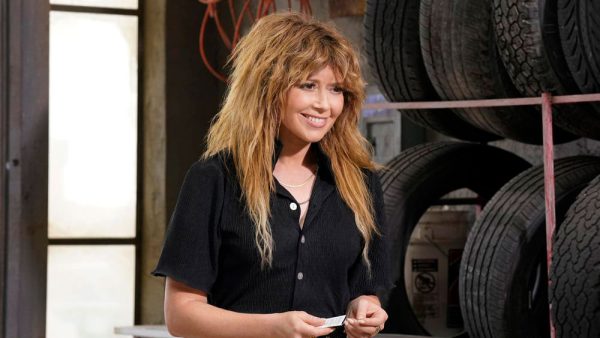
“Sometimes there’s a mistaken belief that I can just show up and roll into it,” she says.
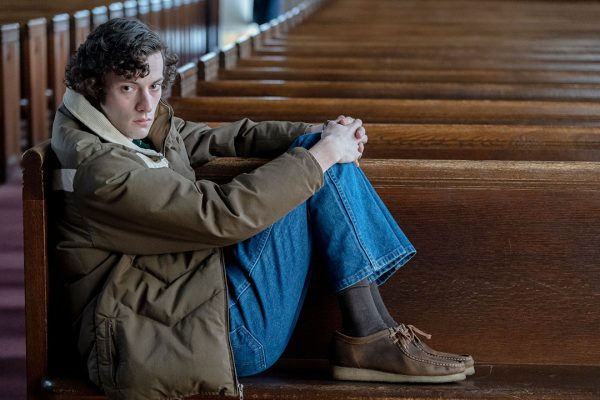
Sessa, who had just finished performing in his school’s production of “Rumors” by Neil Simon, was scouted by casting directors searching for locations and potential background actors.
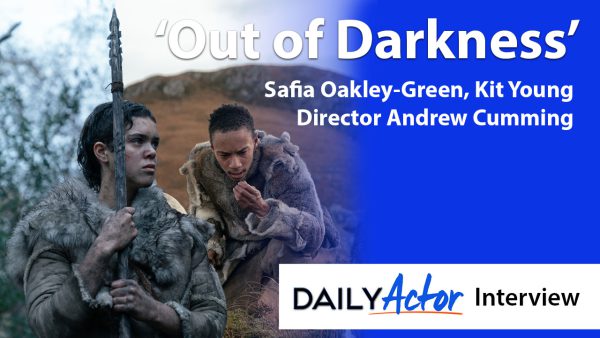
Cumming, Oakley-Green and Young, discuss the impact of filming on location in Scotland, the challenges of learning a new language and the unique audition process they went through for their roles.

Stephens, who brilliantly brings Bluey to life, says the show has been an “incredible experience and journey” for her as an actor.
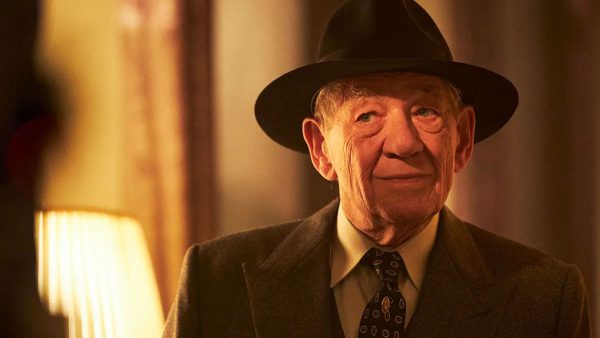
McKellen also opens up about his approach to acting, including noting the worst experience he ever had making a film.
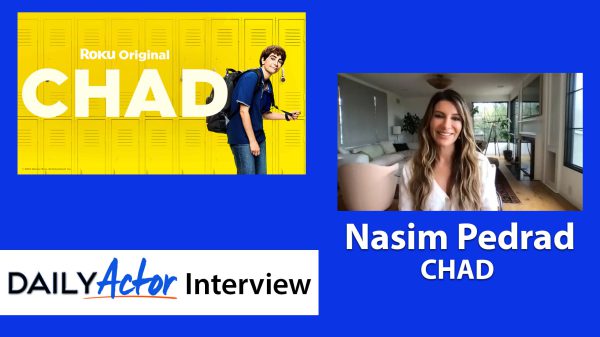
“The goal was not to trick people into thinking I’m a little boy,” Pedrad says. “It was really to disappear into the character and play it as earnestly as I could.”
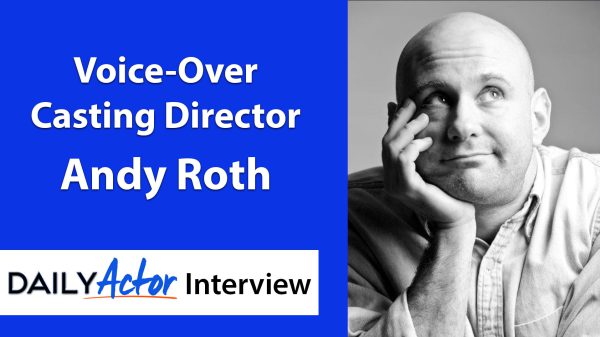
Roth talks about the business of voice-overs, voice-over reels and what he’s listening for, what classes you should take and if actors should be worried about AI.
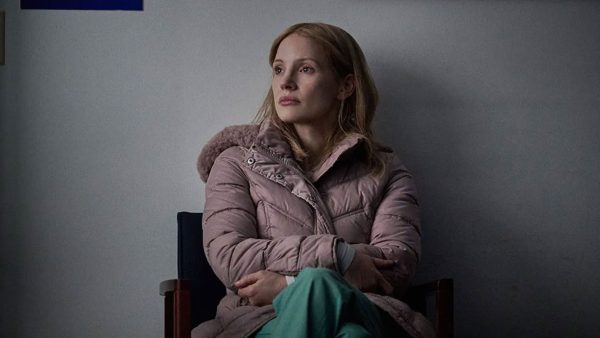
Chastain notes that the residuals she received from her early projects helped sustain her before her career took off. “I don’t know what I’d have done without that residual money.”
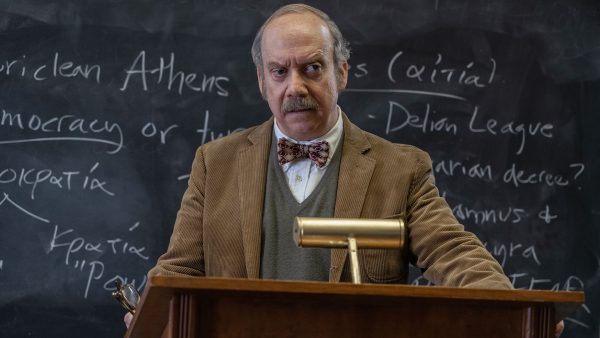
“I had gone to a prep school,” Giamatti said. “I grew up around a lot of people like this. So, it was kind of like, ‘Ooh, this’ll be fun.’ I can just pull on this deep well of all these memories.”
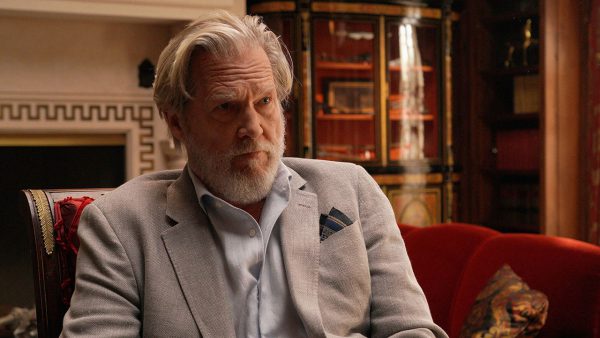
Actor Jeff Bridges talks about his approach to acting and why he finds “jamming” with other actors to be his ideal way to work on a project.
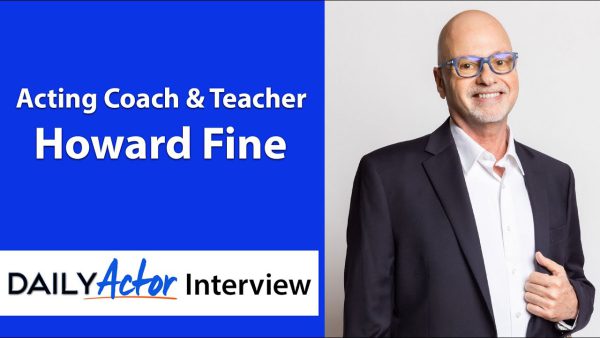
Acting coach Howard Fine has spent decades guiding actors to their full potential. He’s worked with some of the biggest names in Hollywood, including Michelle Williams, Kerry Washington and Bradley Cooper.
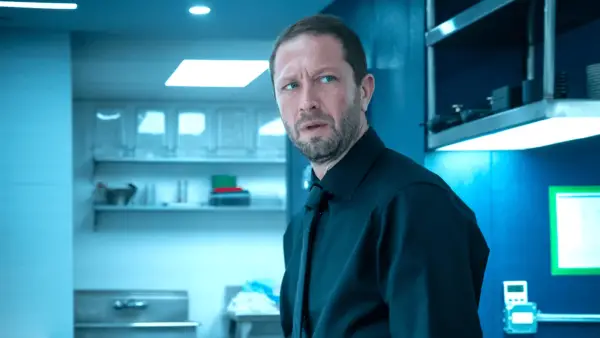
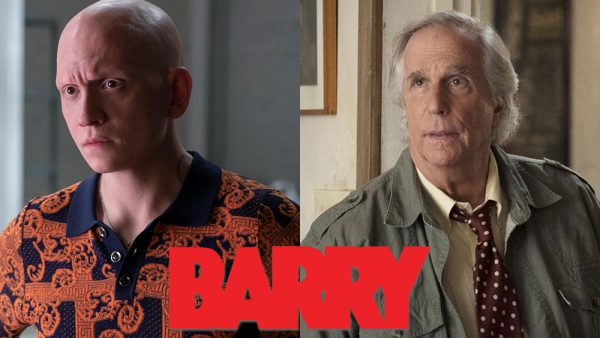
As an actor, Moss-Bachrach tries to focus on maintaining relaxation, saying that he tries to “relax and negotiate this tightrope walk of nerves. You need to be relaxed to be able to make art and surprise yourself.”

Maridueña was concerned that most of the film would be shot with green screen, but he was pleased to find out that the green screen shots were limited.
Casting Director Sherry Thomas explains how she works with actors to unveil new approaches to characters in auditions.
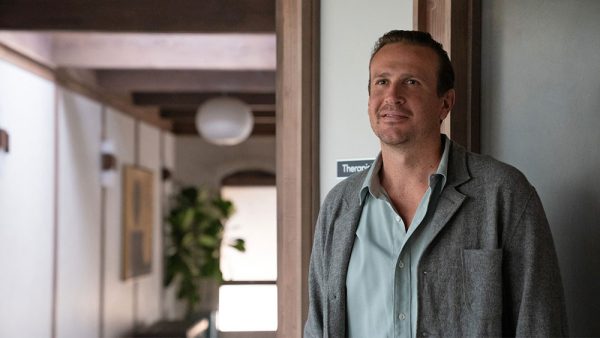
Segel spoke about how his approach to his career has changed with projects like ‘Shrinking’
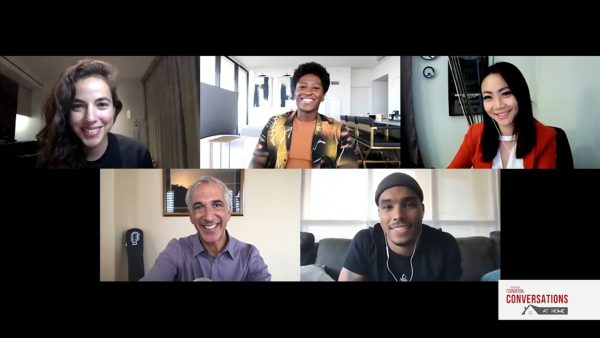
In this virtual panel working actors – Cristina Rodlo, Joseph David-Jones, Jona Xiao and Rome Flynn – talk shop about auditioning, casting, and landing that next part.
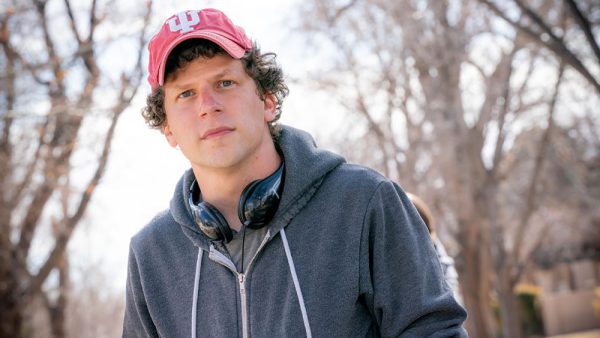
Eisenberg also shares a valuable lesson he learned about acting from director James Ponsoldt.
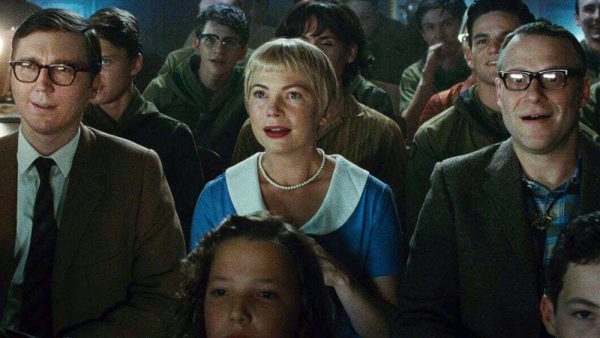
“In the first part of my career, I was doing sitcoms, TV commercials, soap operas, and I started seeing this other style called naturalism. I wanted that for me, but I had to learn what that was and how to inhabit it,” Williams says.
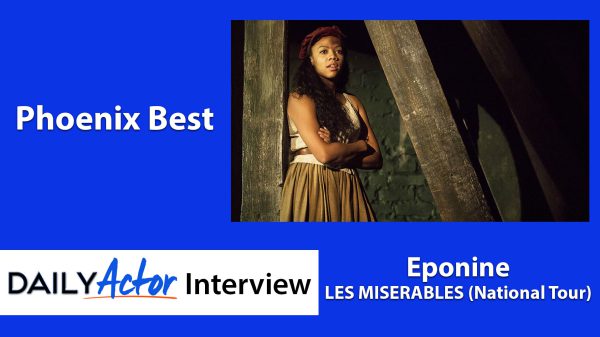
Eponine has “such a special place in my heart, and so I get so excited to get to do it each time and bring something new to it,” Phoenix Best said as she was preparing for her return to the National Tour of LES MISÉRABLES.