
Nobody really prepares you for what pursuing acting can do to your head.
We talk about auditions, training, headshots, agents, managers, networking, self tapes and booking the job. We don’t talk nearly enough about what happens mentally when you do all of those things and still have no idea whether any of it is going to work.
People move across the country for this career. Some spend their savings getting to New York, Los Angeles, Atlanta or wherever they believe they need to be. They pay for classes, headshots, reels, submissions and coaching. They work jobs they don’t love so they can stay available for the job they do love.
Then comes the audition. You prepare. You make choices. You tape it ten times because something doesn’t feel right. You finally submit it.
And then?
Silence. Maybe you hear no. Sometimes you hear nothing at all. Then you wake up the next morning and do it again.
In 2017, my father died by suicide. He was a Marine who worked for the postal service and later became a professional SAG-AFTRA actor. Before acting, I had spent years pursuing music. Losing him made me look at my own life differently.
His death made me think about time and purpose. It made me ask myself what I was waiting for. I decided to seriously pursue acting, in part to carry his legacy forward. I was already in my 40s, married and raising a family.
But becoming an actor didn’t make the difficult parts of life disappear. Sometimes it added new ones.
I’ve since worked on television sets I once dreamed of reaching. One thing I’ve learned along the way:
You can be grateful and anxious at the same time.
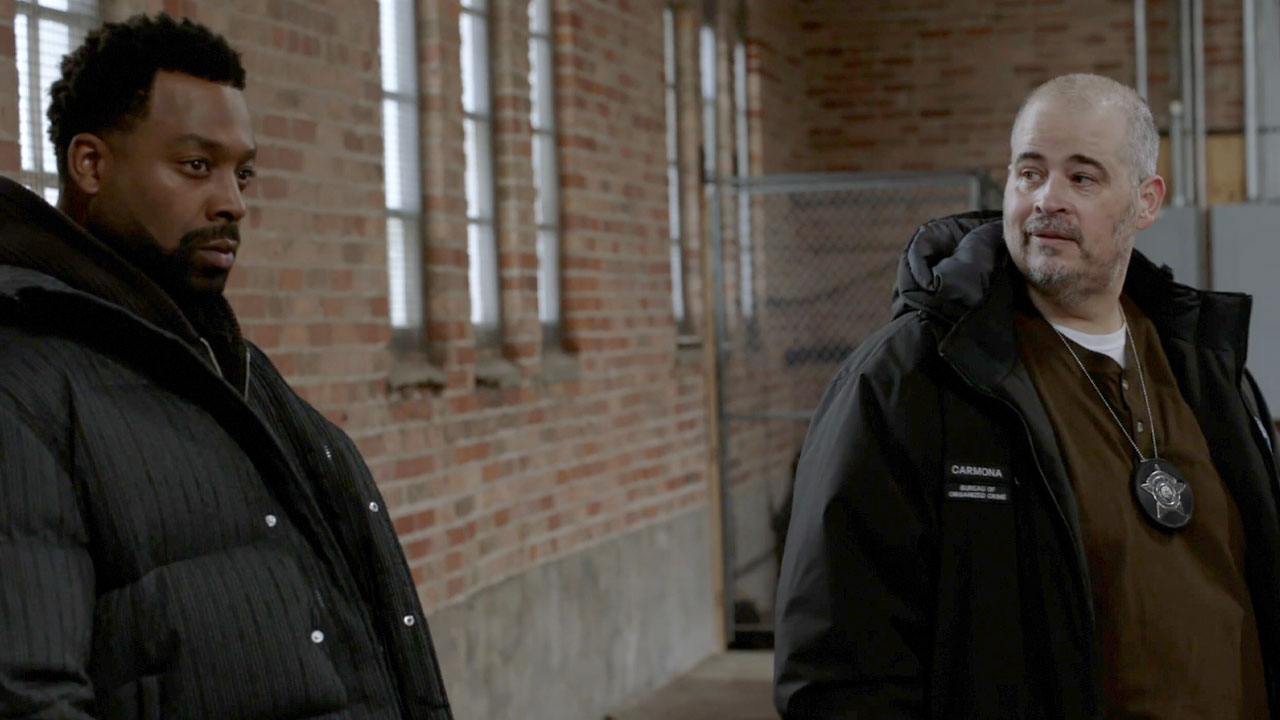
While working on Chicago P.D., I had an anxiety attack on set. LaRoyce Hawkins noticed, hugged me and reminded me that I belonged there. What stayed with me was how he treated me. He made me feel like an equal and let me know he had my back.
I had been overthinking everything because I wanted so badly to prove that I belonged. That moment helped me remember that I had earned the opportunity. It also showed me how much a little care from another actor can matter.
I still battle anxiety. There are times when I’m surrounded by cameras, crew members and actors, doing exactly what I worked so hard to do, while another conversation is happening internally.
Don’t mess this up. Are you doing enough? Are you doing too much? What if they don’t like what you’re doing? What if this opportunity never comes again?
Suddenly you’re fighting yourself while trying to play the scene.
I’ve had to learn how to slow that internal noise down. Prayer grounds me. Calming music and walks outside help me find some quiet. On set, I try to return to my preparation and the scene in front of me instead of trying to prove my entire career in one moment.
The unpredictability of this profession can become exhausting when every audition, booking and rejection starts to feel like a judgment of your worth. One week you may have three auditions. The next week your inbox is empty. You can book something important and, a month later, find yourself wondering whether anyone remembers you exist.
Social media makes it more complicated. Another actor announces a series regular role or signs with the agency you’ve been trying to get into. You’re refreshing your email, wondering why your self tape hasn’t received a response.
We see the announcement. We usually don’t know what that person went through before it, or what they may still be going through now.
That’s why I’ve had to become careful about where I attach my identity. If my entire sense of value comes from whether somebody casts me, I’m handing an enormous amount of power over my mental health to a business where rejection is part of the job.
So many casting decisions involve things we cannot control. Your height. Your age. Whether you look like the actor playing your brother. A character being rewritten. A role disappearing. You may never know why you weren’t chosen.
Yet it’s easy to create your own explanation: I’m not good enough.
I try to focus on what actually belongs to me: my preparation, how I treat people and whether I continue learning. Whether they hire me is a decision I don’t get to make. Understanding that helps, even when I have to remind myself again the next day.
My father’s death also deepened my commitment to mental health advocacy. Through years of ministry and community outreach, and through my own struggles, I’ve seen how much people can carry without anyone around them knowing.
I live with anxiety and PTSD, and therapy is part of taking care of myself. I’ve been working with an EMDR specialist to address trauma. Being open about that matters to me. If I encourage other people to ask for help, I want to be honest about getting help myself.
Having a therapist gives me a space where I don’t have to perform. I don’t have to convince someone to cast me, represent me or believe that everything is going well. I can talk honestly about what I’m carrying.
I think actors need room for that honesty. We invest so much in our careers, but taking care of the person pursuing the career deserves attention too. I encourage actors to consider therapy and to build support beyond the business. For me, faith and family matter alongside professional help.
You don’t have to wait until you’re falling apart to talk to somebody.
You can love acting deeply and still admit that pursuing it can be emotionally difficult. You can want this career and still need boundaries from it.
And you can experience rejection without becoming rejected.
That distinction has become important to me. A production can pass on me. An agency can decide I’m not right for its roster. None of those decisions get to define the totality of who I am.
Losing my father taught me how precious life is. Acting has taught me how uncertain it is.
Maybe that’s why I refuse to give either one away to fear.
I don’t know where every audition will lead. I don’t know what the next booking will be. I don’t know whether the biggest opportunity of my career is behind me or still somewhere ahead.
Neither does any other actor.
That’s the deal we make when we choose this profession. We pursue something without guarantees.
So take care of the actor underneath the résumé.
Take care of the person waiting for the phone to ring.
Take care of the person who didn’t get the callback.
Take care of the person walking onto the set with anxiety nobody else can see.
Because your career matters. But the person pursuing it matters more.
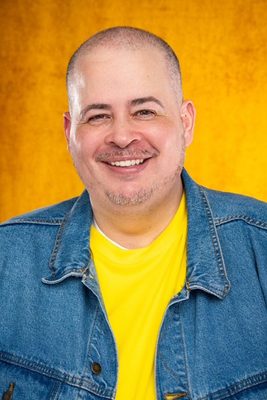
Angelo Maldonado Jr. is a SAG-AFTRA actor, filmmaker and mental health advocate. His film and television credits include Power Book III: Raising Kanan, Chicago P.D., Law & Order, FBI, Dope Thief, Danny’s House and Drive-Away Dolls. He is the founder of Mindstate Films.


